






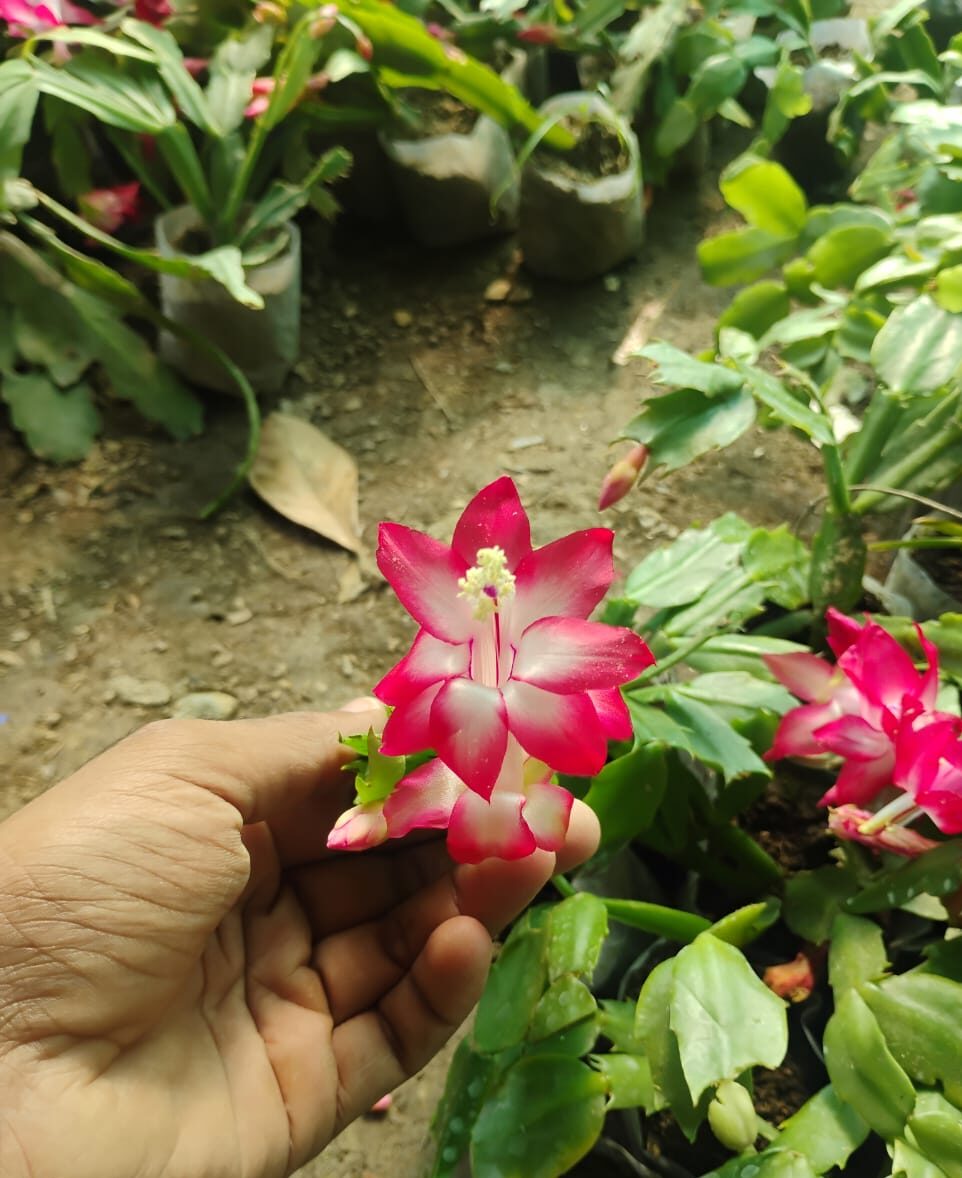
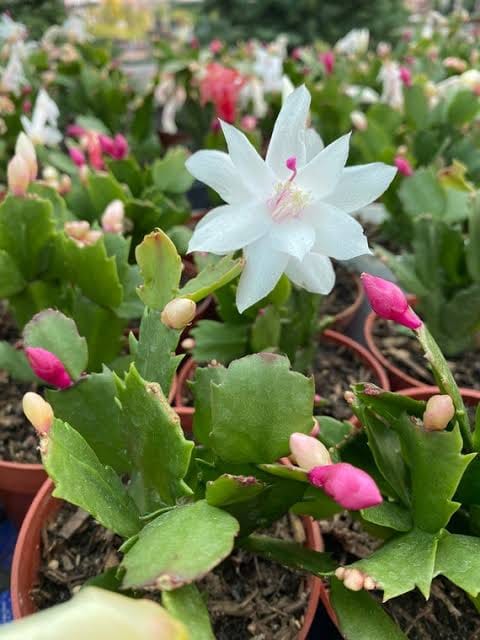
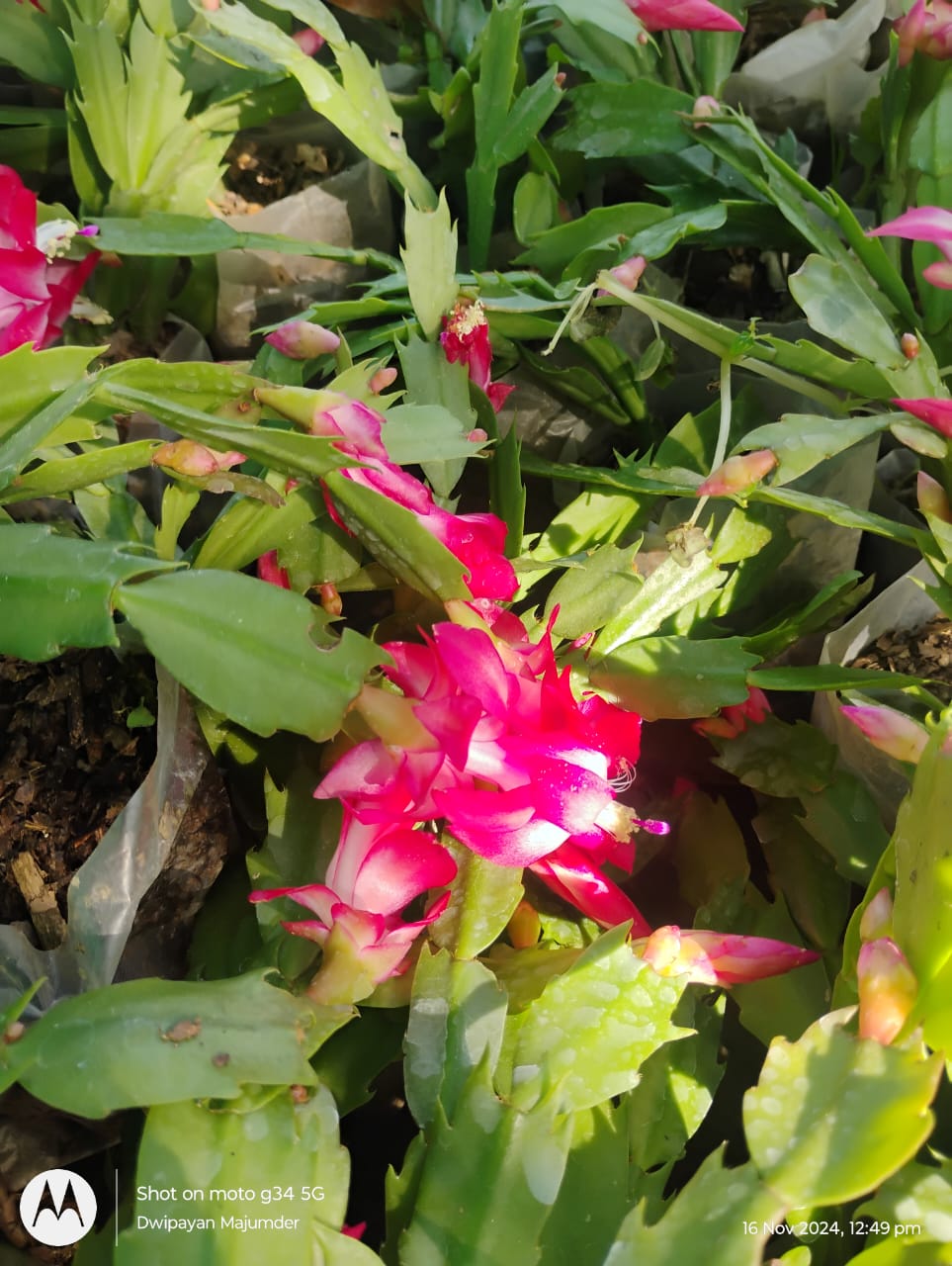
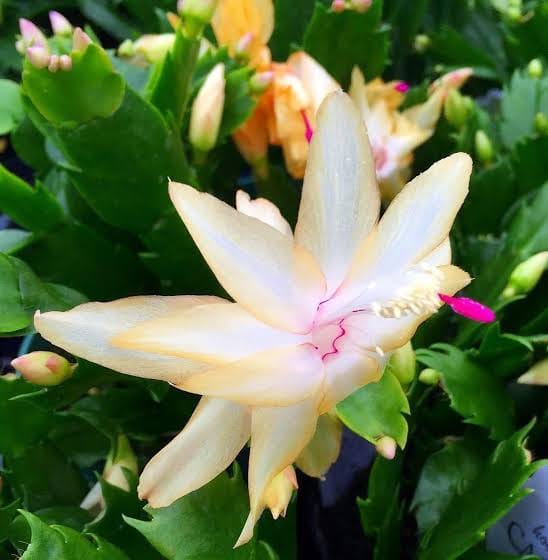
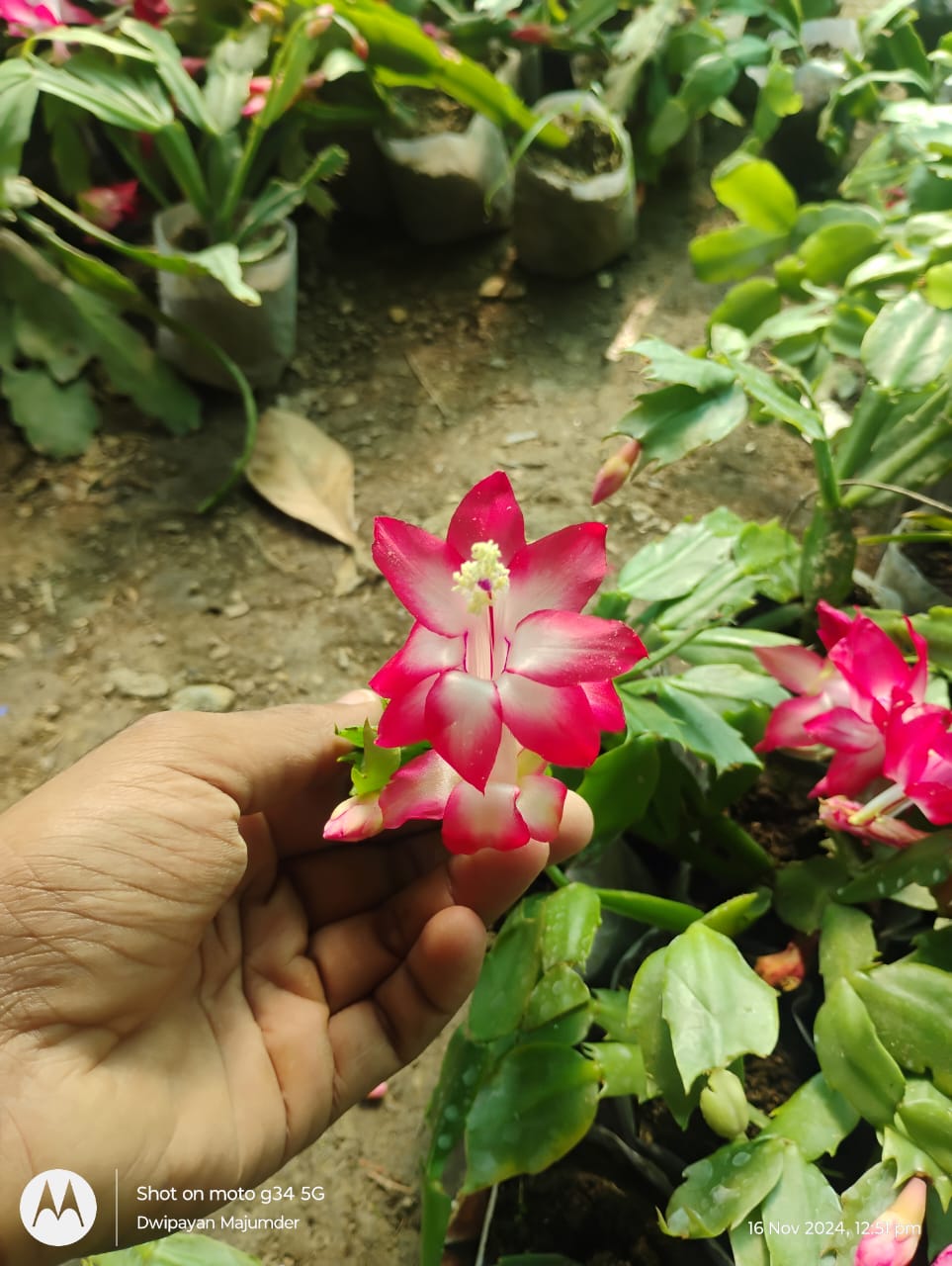
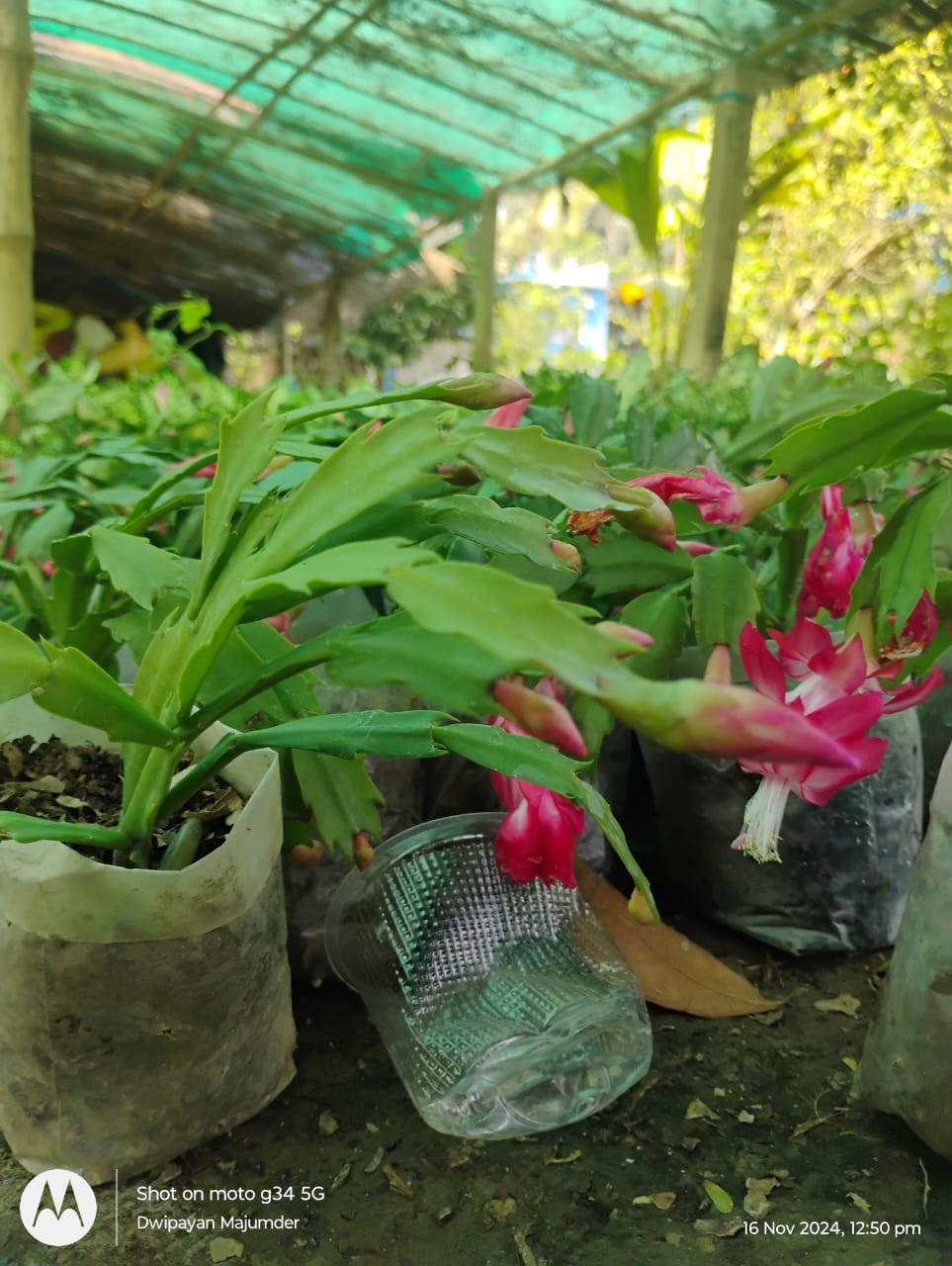
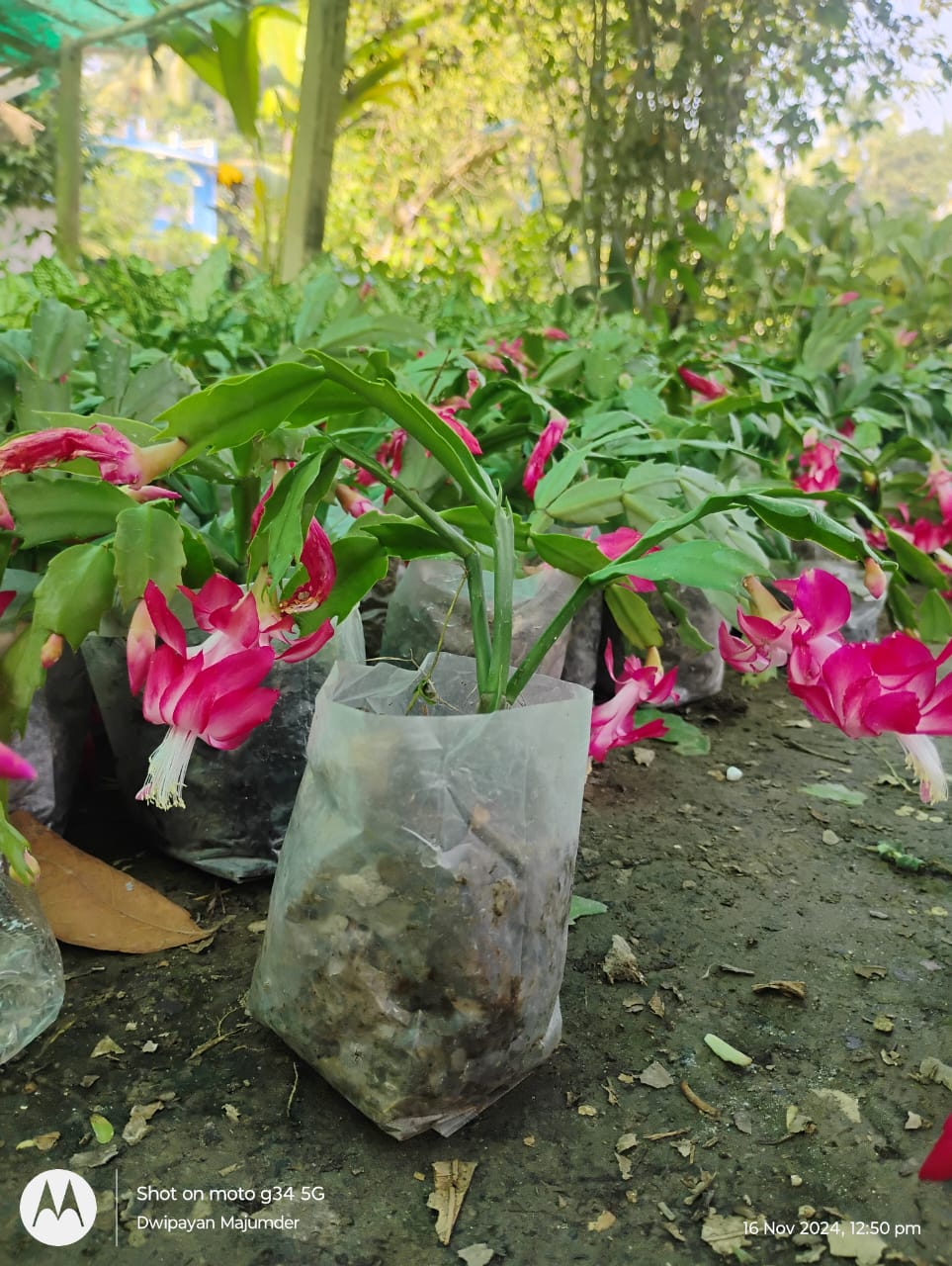









Zygocactus, commonly known as Christmas Cactus, is a beautiful flowering houseplant admired for its attractive segmented stems and colorful seasonal blooms. Unlike desert cacti, Zygocactus is a tropical cactus that naturally grows in humid environments. With the right balance of light, water, humidity, and temperature, it can remain healthy and flower beautifully year after year.
Sunlight
Zygocactus prefers bright, indirect light. Place it near a window where it receives plenty of filtered sunlight. Avoid strong, direct afternoon sunlight, which can scorch the leaves and cause them to become pale or reddish.
Watering
Water the plant when the top layer of soil feels slightly dry. Water thoroughly until excess water drains from the bottom of the pot, then empty any collected water. Avoid keeping the soil constantly wet, as overwatering can lead to root rot.
During the flowering period, maintain consistent moisture without making the soil soggy. Reduce watering slightly during the plant’s resting period.
Soil
Use a light, well-draining potting mix. A mixture designed for cacti and succulents can work well when it provides good drainage, although Zygocactus generally prefers a little more moisture than desert cacti. Adding organic material can help retain moderate moisture while still allowing excess water to drain.
Humidity
As a tropical cactus, Zygocactus appreciates moderate to high humidity. If the indoor air is very dry, especially during hot or dry weather, place the plant near other plants or use a humidifier. Avoid keeping the plant in a constantly wet environment.
Temperature
Zygocactus grows well in comfortable indoor temperatures. Protect it from extreme heat, cold drafts, and sudden temperature changes. During the period before flowering, slightly cooler nighttime temperatures can help encourage bud formation.
Fertilizing
Feed the plant with a balanced, diluted houseplant fertilizer during its active growing period. Fertilize according to the product instructions and avoid excessive feeding. Reduce or stop fertilizing while the plant is resting or flowering.
Pruning
Pruning is not usually necessary, but trimming can help maintain a compact and attractive shape. After flowering, you can gently remove or shorten some stem segments to encourage branching and fuller growth. Healthy cuttings can also be used for propagation.
Encouraging Flowers
To encourage beautiful blooms, provide bright indirect light and consistent care. A period of cooler nights and longer, uninterrupted darkness before the normal flowering season can help stimulate flower buds. Once buds appear, avoid frequently moving or disturbing the plant, as sudden changes can sometimes cause buds to drop.
Repotting
Zygocactus generally does not need frequent repotting and often performs well when slightly root-bound. Repot only when the plant has outgrown its container or the soil has deteriorated. Choose a pot with drainage holes and move the plant into a slightly larger container rather than an oversized pot.
Pest and Disease Care
Regularly inspect the stems and leaves for common houseplant pests such as mealybugs, scale, or spider mites. Remove affected areas when possible and treat infestations promptly with an appropriate plant-care treatment. Good air circulation and proper watering can help reduce the risk of fungal and root-related problems.
Propagation
Zygocactus is easy to propagate from healthy stem segments. Allow a short cutting to dry briefly, then place it in a lightly moist, well-draining growing medium. Keep it in bright, indirect light and avoid excessive watering while roots develop.
Important Care Tips
-
Provide bright, indirect sunlight.
-
Water when the top layer of soil begins to dry.
-
Always use a pot with good drainage.
-
Avoid overwatering and waterlogged soil.
-
Maintain moderate humidity.
-
Protect the plant from extreme temperatures and drafts.
-
Fertilize during active growth with a diluted, balanced fertilizer.
-
Avoid moving the plant frequently when flower buds are developing.
-
Prune lightly after flowering to encourage fuller growth.
With proper light, careful watering, good drainage, and suitable humidity, Zygocactus can thrive indoors and produce beautiful flowers season after season. With consistent care, this long-lived plant can become a colorful and rewarding addition to your home or garden collection.


Reviews
Clear filtersThere are no reviews yet.